
The easiest way to keep your pet’s medical records organized is to keep their vaccinations, medications, laboratory results, imaging, surgeries, allergies, diagnoses, and veterinary visits together in one secure, accessible place.
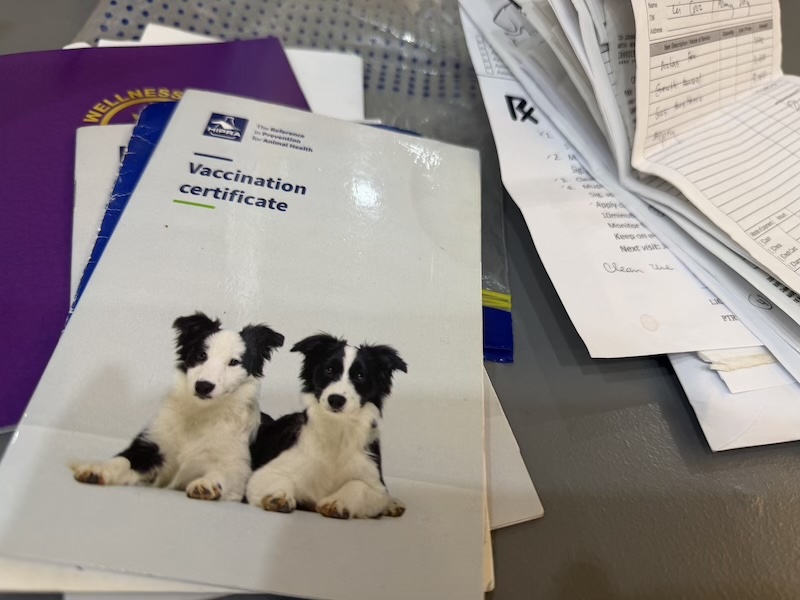
Updating your pet health records after every veterinary appointment helps you maintain a complete medical history that can be shared when you change veterinarians, travel with your pet, see a specialist, or need emergency veterinary care.I didn’t always realize how important this was until I experienced both sides of it: the frustration of trying to piece together a disorganized medical history and the relief of having everything readily available.When I adopted my dog Gigi, her medical history was scattered across rescue paperwork, multiple veterinary clinics, email attachments, and handwritten notes.
Every vet appointment felt like a scavenger hunt. I spent more time searching for records and trying to remember details than focusing on Gigi’s care, and I constantly worried that I was missing something important.Years later, travelling regularly with my dog Monty completely changed my perspective. Whether we were visiting a new veterinarian, preparing travel documents, or simply needing quick access to his vaccination history, having his complete veterinary records available made every experience smoother and far less stressful.
Those experiences taught me something every pet owner should know: keeping your pet’s medical records organised isn’t just about staying organized. It’s an important part of responsible pet ownership and continuity of care.
Key Takeaways
- Complete pet medical records support better-informed veterinary care.** A clear health history gives veterinarians important context when assessing your pet.
- Keep more than vaccination certificates. Your pet’s medical history should include medications, diagnoses, surgeries, laboratory results, imaging, allergies, and other relevant veterinary information.
- Store records in one secure location. Keeping information together makes it easier to find and share when you need it.
- Update your pet’s records after every veterinary visit. Regular updates help prevent important information from becoming lost or outdated.
- Digital pet health records make information easier to access and share. They can be particularly useful when changing clinics, travelling, seeing a specialist, or seeking emergency care.
- Keep your pet’s medical history throughout their lifetime. Older records can provide useful context when health conditions change or new problems develop.
Why is It Important to Keep Your Pet's Medical Records Organized?
Your pet’s medical history is more than a collection of documents. It provides a timeline of their health, including vaccinations, diagnoses, medications, surgeries, laboratory results, imaging, allergies, and previous treatments.
A complete history can give a veterinarian important context when assessing a pet, particularly when the veterinarian is seeing the animal for the first time. Veterinary guidance also emphasizes the importance of relevant historical information for coordinating care between veterinary practices.
Without access to previous information, a veterinarian may need to spend additional time gathering the history or may recommend diagnostic testing that could otherwise be informed by previous results.
Having an organized pet health records can be particularly useful when you:
- Visit a new veterinary clinic
- Seek emergency veterinary care
- See a veterinary specialist
- Travel domestically or internationally with your pet
- Submit pet insurance documentation
- Manage a chronic health condition
- Monitor a recurring health problem
- Need to share information with another caregiver
In simple terms, the more complete and accessible your pet’s health history is, the easier it is to give your veterinarian the information they need.
“More information is never a bad thing.” - Dr. Megan Duffy, DVM, Veterinary Oncologist
Dr. Duffy has discussed the importance of providing veterinary specialists with previous medical records, noting that her oncology practice may request several years of records or, in some cases, a pet’s complete medical history.
What Medical Records Should Every Pet Owner Keep?
Many pet owners keep their pet’s vaccination certificate and stop there. But a complete pet medical record can contain much more useful information.
At a minimum, consider keeping:
- Vaccination history - vaccine type, date administered, and due dates
- Microchip information - microchip number and registration details
- Spay or neuter records - procedure details and date
- Surgical records - previous procedures, discharge instructions, and follow-up information
- Laboratory results - blood tests, urinalysis, faecal tests, and other diagnostic results
- Imaging records - X-rays, ultrasounds, CT scans, MRI reports, and other imaging
- Medication history - medication names, doses, frequency, and relevant treatment dates
- Known allergies and adverse reactions - including medication reactions
- Dental records - dental procedures, extractions, and relevant findings
- Weight history - useful for monitoring changes over time
- Parasite prevention - flea, tick, heartworm, and worming treatment
- Specialist reports - referrals, consultations, and recommendations
- Emergency veterinary records - emergency visits, diagnoses, treatments, and discharge summaries
- Chronic conditions - ongoing diagnoses, treatment plans, and monitoring information
Even a record that seems unimportant today may provide useful historical context years later.
If you’re preparing for an upcoming appointment, you can also read our guide on what records to bring to your next vet visit.
How Do I Organize My Pet’s Medical Records?
You don’t need a complicated system to start organizing your pet’s medical history. The most important thing is to create one consistent place for your records and keep it updated.
1. Keep Your Pet’s Records in One Place
Avoid keeping your pet’s veterinary records across multiple email accounts, paper folders, cloud storage services, and devices.
Choose one secure location for your pet’s health information so you know where to look whenever you need it.
2. Digitize Paper Veterinary Records
If your veterinarian gives you paper documentation, create a digital copy by scanning or photographing it.
Keep the original where appropriate, but having a digital copy makes your pet’s medical records easier to access when you are away from home or need to share information with another veterinary clinic.
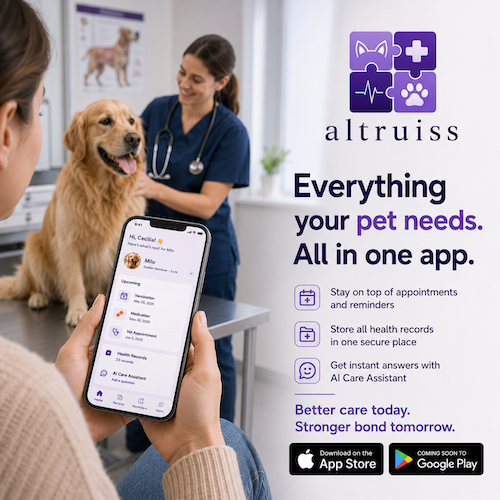
For an easier way to keep everything together, you can upload your pet’s veterinary documents directly to Altruiss. Instead of keeping records scattered across email attachments, phone galleries, and paper folders, you can keep your pet’s important health information organized in one secure place and access it when you need it.
3. Use Clear File Names
If you are storing individual documents, use consistent names that make them easy to identify.
For example:
- `2026-02-14 Annual Wellness Exam`
- `2026-05-20 Blood Work`
- `2026-07-11 Dental Cleaning`
- `2026-08-03 Vaccination Certificate`
A consistent naming system makes individual pet medical records much easier to find.
4. Update Records After Every Veterinary Visit
Make record-keeping part of your normal post-appointment routine.
After each veterinary visit, save:
- New medical records
- Laboratory results
- Imaging reports
- Prescriptions
- Medication changes
- Weight measurements
- Follow-up recommendations
- Referral letters
- New vaccination certificates
With an app like Altruiss, you can keep these updates together with your pet’s existing health history, so new information becomes part of their ongoing record rather than another document you need to remember where you stored.
Keeping your pet’s records up to date means you have a clearer picture of their health history whenever you need it—whether you’re visiting your regular veterinarian, seeing a new clinic, travelling, or dealing with an unexpected situation.
Paper Records vs. Digital Pet Health Records
Paper veterinary records can still be useful, particularly for original certificates and documents. However, paper files can be misplaced, damaged, difficult to search, or left at home when you need them somewhere else.
Digital pet health records provide a more portable way to organize and access your pet’s information. Instead of searching through filing cabinets, emails, or folders, you can keep important information accessible when you need it.
Digital records can be especially useful when:
- You change veterinary clinics
- You move to a new city
- You travel with your pet
- You see a specialist
- Your pet needs emergency treatment
- Someone else is caring for your pet
The key isn't simply having digital records. It is having complete, accurate, and accessible records.
Keep Your Pet’s Records With You
If you’re tired of searching through emails, paper folders, and old files every time you need your pet’s medical history, Altruiss can help you keep everything organized in one place.
Store your pet’s health records, vaccinations, medications, veterinary documents, and important health information securely, so you can access them when you need them, whether you’re at home, travelling, visiting a new vet, or simply keeping up with their lifelong care.
Why Are Pet Medical Records Important When Travelling?
Travelling with Monty showed me just how valuable organized veterinary records can be. Depending on your destination and the type of travel, you may need documentation such as vaccination certificates, parasite treatment records, identification information, or veterinary health certificates. Requirements can also vary between countries and change over time.
Having Monty’s medical history organized means I can quickly find the information I need rather than searching through old emails or paperwork. For international travel, always check the current requirements for your destination and speak with your veterinarian well in advance.
Why Are Medical Records Important During a Pet Emergency?
An emergency is one of the worst times to discover that you cannot find your pet’s medical history.
You may suddenly need to provide information about:
- Current medications and dosages
- Previous surgeries
- Known allergies or adverse reactions
- Chronic medical conditions
- Recent diagnoses
- Previous treatments
- Recent laboratory or imaging results
- Vaccination history
When you are stressed, it can be difficult to remember dates, medication names, or details from previous veterinary visits. Having an organized pet health record means the information is available when you need to provide it to an emergency veterinary team.
Common Mistakes Pet Owners Make With Veterinary Records
Storing Records in Multiple Locations
Medical documents can quickly become scattered across email inboxes, paper folders, text messages, cloud storage, and different devices.
Better approach: Choose one secure location for your pet’s complete health history.
Keeping Only Vaccination Certificates
Vaccination records are important, but they are only one part of your pet’s medical history.
Better approach: Keep laboratory results, medications, surgeries, imaging, allergies, specialist reports, and other relevant veterinary documents too.
Waiting Until an Emergency
Many pet owners only think about their records when they urgently need them.
Better approach: Organize your records now and update them after every veterinary visit.
Forgetting to Request Copies of Veterinary Records
When you change clinics or see a specialist, you may need relevant information from previous veterinary providers.
Better approach: Ask your veterinary clinic how you can obtain copies or summaries of your pet’s records and keep your own accessible copy.
Frequently Asked Questions About Pet Medical Records
How do I organize my pet’s medical records
The simplest approach is to keep your pet’s veterinary records in one secure location and update them after every appointment. Include vaccinations, medications, diagnoses, surgeries, laboratory results, imaging, allergies, and other important health information.
What medical records should I keep for my dog or cat?
Keep your dog or cat’s vaccination history, medications, laboratory results, surgeries, imaging reports, dental records, allergies, chronic conditions, parasite prevention, specialist reports, and emergency veterinary records.
Can I request my pet’s medical records from my veterinarian?
You can ask your veterinary clinic for copies or a summary of your pet’s medical records using Altruiss. The exact rules around access, ownership, and release of veterinary records vary by location, so check your clinic’s policies and applicable local regulations.
Should pet medical records be stored digitally?
Digital storage can make pet medical records easier to organize, search, access, and share. It is particularly useful when changing veterinarians, travelling, seeing a specialist, or needing information during an emergency.
Why are organized pet medical records important?
Organized medical records give veterinarians access to relevant information about your pet’s previous health, treatments, medications, and diagnostic results. They also help pet owners maintain continuity of care when their pet moves between clinics or requires care from different veterinary professionals.
Final Thoughts
Looking back, I wish I had organized Gigi’s medical records from the very beginning. It would have saved countless hours of searching, reduced unnecessary stress, and made it easier to give veterinarians the information they needed.
Today, travelling with Monty reminds me why an organized medical history is one of the most useful things a pet owner can have. Whether we are visiting a new clinic, preparing for travel, or attending a routine wellness appointment, knowing that his health information is accessible gives me confidence that I can provide an accurate history when it matters.
Our pets depend on us to advocate for their health. Keeping their medical records organized is one of the simplest ways to stay prepared and support continuity of care throughout their lives.
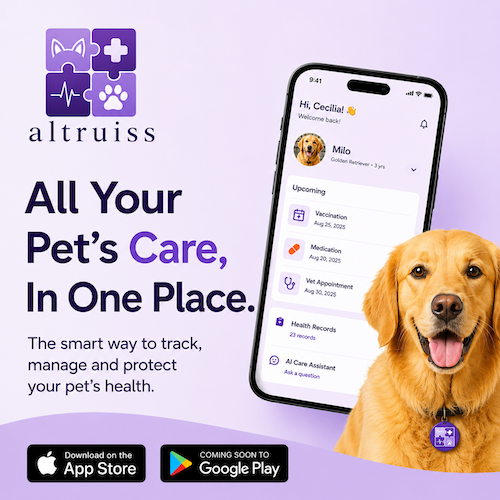
At Altruiss, we believe your pet’s medical history should stay with them for life. Altruiss gives pet owners a secure place to store, organize, access, and share their pet’s health records, including vaccinations, medications, laboratory results, veterinary visits, and clinical documents.
Your pet’s history shouldn’t be scattered across clinics, inboxes, and paper folders. It should be there when you need it wherever life takes you and your pet.