A digital pet health record is no longer a convenience; it is a core part of responsible pet ownership. In emergencies, during travel, when changing veterinarians or when managing chronic conditions, having your pet's complete history in one secure, searchable place can change the speed and quality of care they receive.
What Is a Digital Pet Health Record?
A digital pet health record is a structured, electronic collection of your pet's medical information. Instead of scattered paper certificates, photos of invoices and half-remembered medication names, everything lives in one organised profile that you can access from your phone or computer.
- Vaccination certificates and booster due dates
- Clinical notes from appointments, surgeries and emergency visits (varies per country)
- Laboratory and imaging results (varies per country)
- Medication and supplement lists with doses and start dates
- Microchip details
Why Digital Records Matter More Than Ever
Pets increasingly see multiple providers over their lifetime: a local clinic, an emergency hospital, a specialist, a groomer, a boarding facility and sometimes vets in different cities or countries. Each of these touchpoints generates information that is essential for safe, coordinated care.
When that information is fragmented across paper folders, emails and different clinic systems, critical details can be missed. A digital pet health record owned and maintained by you closes those gaps.
The Real-World Benefits of a Digital Record
- Benefit: What it looks like in practice
- Faster emergency care: At an unfamiliar clinic, you can instantly share current medications, allergies, recent diagnoses and vaccine status, allowing the vet to start safe treatment without delay.
- Better routine appointments: Your veterinarian can see trends in weight, lab values and symptoms over time instead of working from memory or incomplete notes.
- Easier travel and boarding: Airlines, hotels and boarding facilities often require up-to-date vaccination records and health certificates. A digital record lets you produce these in seconds.
- Smoother vet changes: When moving or switching clinics, you can share a complete history rather than relying on faxed records that may never arrive.
- Stronger chronic-care management: For diabetes, kidney disease, heart conditions and other long-term issues, you can track medications, test results and home observations in one place.
- Less stress for owners: Instead of searching for papers while worried, you have a clear, organised summary ready on your phone. When moving or switching clinics, you can share a complete history rather than relying on faxed records that may never arrive.
Digital vs Paper: Where Each Fails and Wins
Paper records are simple and do not depend on batteries or internet, but they are fragile and hard to search. Digital records are powerful and portable, but they depend on devices and sometimes connectivity.
"Paper burns and soaks; digital dies with a dead phone or no signal at intake. We compare both formats and give the honest belt-and-suspenders answer."
— Emergency Pet Prep, 2026
The most resilient approach is a hybrid one: keep a core digital record as your primary source, and maintain a simple backup such as a printed one-page emergency summary or a PDF stored in more than one place.
- Digital strengths: searchable, easy to update, simple to share, less likely to be physically lost or damaged.
- Paper strengths: works without power or signal, easy to hand over at intake desks.
- Best practice: a complete digital pet health record plus a compact emergency summary you can print or screenshot.
How a Digital Record Improves Emergency Care
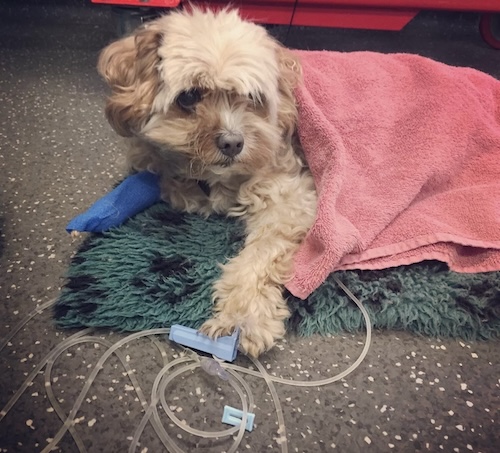
In an emergency, minutes matter. When you arrive at an urgent-care or emergency clinic with a complete digital health record on your phone, current medications, known allergies, recent diagnoses, vaccination history, you give the treating vet an enormous advantage.

This can mean:
- Avoiding drugs that interact with your pet's existing medications
- Recognising pre-existing conditions that change the differential diagnosis
- Understanding known anxiety or reactivity patterns that affect handling
- Making faster, better-informed decisions when time is critical
How a Digital Record Improves Routine Care
Routine wellness visits are more productive when your veterinarian can see the full picture. Organised records mean better vet appointments, faster emergency responses, and a complete picture of your pet's health over time.
A digital record helps your vet:
- Spot trends in weight, bloodwork and clinical signs across years
- Confirm which vaccines and preventatives are truly due
- Avoid repeating tests that were recently done elsewhere
- Tailor screening and lifestyle advice to your pet's actual history
What to Include in Your Digital Pet Health Record
A strong digital pet health record covers both medical essentials and everyday context. Aim for a profile that another veterinarian could use to continue care with minimal explanation.
- Basic details: name, species, breed, sex, date of birth or approximate age, microchip number and registration.
- Contact information: your details plus an emergency contact who can make decisions if you are unavailable.
- Vaccination history: every vaccine, date, product if known, and next-due date.
- Preventative care: flea, tick, worm and heartworm products, doses and frequency.
- Medical history: diagnoses, surgeries, hospitalisations, allergies and adverse drug reactions.
- Medications and supplements: name, dose, frequency, reason and start date.
- Diagnostic results: key bloodwork, urinalysis, faecal tests, imaging reports and specialist letters.
- Lifestyle notes: diet, treats, activity level, behaviour patterns and any home monitoring data.

Using Altruiss as Your Digital Pet Health Record
Altruiss is built around the idea that every pet deserves a complete, lifelong health record that travels with them. Instead of scattering information across apps, emails and paper folders, you can keep everything in one secure profile that you control.
- Store vaccination certificates, clinical notes, lab results and treatment histories in one place.
- Track boosters, preventatives and medication schedules with reminders.
- Generate a clear treatment-history summary for new vets, insurers, boarding facilities or travel.
- Keep microchip details, prescriptions, allergy information and everyday health notes together.
- Use the AI care assistant to help interpret records and prepare questions, while relying on a licensed veterinarian for diagnosis and treatment decisions.
For pet owners who already use the first vet visit checklist, vaccination schedules and life-stage visit guides, Altruiss becomes the natural home for all that information: a single digital pet health record that connects every part of your pet's care.