Both first-time and experienced pet owners struggle with how to track dog health history. Keeping track of your pet's health records for years can feel like trying to herd cats. It’s frustrating, messy, and honestly, a bit overwhelming. If you've ever found yourself rifling through a pile of random vet receipts, scribbled notes, and vaccination cards that seem to multiply like rabbits, welcome to the club.
But here's the thing: your pet's medical history is one of the most important tools for keeping them healthy, happy, and receiving the best care possible.
Whether it's knowing when Fluffy's last vaccination was, spotting a pattern in recurring tummy troubles, or handing over vital info when you switch vets, good record-keeping makes all the difference.
If you're wondering how to track dog health history, the simplest approach is to keep your dog's medical records, vaccinations, medications, symptoms, vet visits, and preventive care information organised in one accessible place. A digital pet health tracker can make it easier to update this information over time, review patterns, and share relevant details with the people involved in your dog's care.
Key Takeaways
- Keeping accurate pet health records helps your veterinarian make faster, better-informed treatment decisions.
- Tracking your dog's medical history over time can make it easier to spot changes and recurring health patterns.
- A digital pet health tracker can help organise vaccinations, medications, vet visits, symptoms, and medical history.
- Reminders can help you track pet vaccination due dates, medications, check-ups, and other preventive care.
- Digital records can be securely shared with veterinarians, family members, and pet sitters.
- Tracking your pet's health between vet visits gives you a clearer record of changes that may otherwise be easy to forget.
- Keeping records organised can support continuity of care and help you prepare for emergencies.
Why Tracking Your Dog's Health History Matters
Imagine walking into your vet's clinic and handing over a complete, up-to-date history of your pet's health — no stress, no guessing games.
No more frantic questions about when the last vaccine was, or what medication worked best during that mysterious itching phase.
I remember a client who brought in their dog, Max, with recurring ear infections. Because they had all Max's treatments and vet notes neatly stored (yes, on paper — organised chaos), the vet quickly pieced together the timeline and changed Max's medication for the better. It saved Max weeks of discomfort and spared the owner a whole lot of guesswork.
Good records aren't just about convenience. They help your vet make faster, smarter decisions, reduce errors, and can even save money by avoiding unnecessary repeat tests.
And if an emergency happens? Having your pet's history at your fingertips can be life-saving.
This is why tracking pet medical history over time is about more than simply storing old paperwork. A complete history can show what has happened previously and give your veterinarian useful context when your pet develops a new problem.
How to Track Pet Health Between Vet Visits
Your dog's health doesn't only change on the day of a veterinary appointment.
You may notice a new cough, a change in appetite, unusual itching, changes in energy, vomiting, diarrhoea, limping, or another symptom between routine visits. Writing these observations down can help you remember when they started, how often they occur, and whether anything else changed around the same time.
If you're wondering how to track pet health between vet visits, start with a simple routine:
- Record noticeable changes. Note new or unusual symptoms.
- Record when they happened. Dates and frequency can provide useful context.
- Track relevant treatments. Include medications, supplements, and other treatments your veterinarian has recommended.
- Keep vet records together. Store consultation notes, test results, vaccination records, and other documents alongside your observations.
- Share relevant changes with your veterinarian. Your notes can help your vet understand what has happened between appointments.
A health tracker doesn't replace veterinary advice or diagnosis. Instead, it gives you a more complete record to discuss with your veterinary team.
The Old-School Paperwork Problem: Been There, Seen That
For years, pet health records have lived in paper form:
- Vaccination cards
- Medication receipts
- Handwritten notes from vet visits
- Maybe even that crumpled referral slip from a specialist
It's what everyone's used to — until it isn't.
Let me paint you a picture.
I once had a client walk into the clinic with a shoebox stuffed full of their dog's vet paperwork. It looked like a decade's worth of history, but was more like a confusing mess.
Pages stuck together, some missing, others stained with mystery fluids (because pets and coffee tables don't mix).
The owner wanted to help, but the chaos made it almost impossible to find what was needed — and it added unnecessary stress to an already worrying visit.
And that's a common story.
Paper records work fine… when you keep them perfectly organised.
But let's be honest: who really has time to file every receipt or appointment slip neatly?
They get shoved into drawers, lost under piles of mail, or accidentally tossed during a hectic move.
Sometimes, they just fade or get damaged, making crucial info unreadable.
I've seen owners come in clutching a few random papers taped to their phone, or worse, relying on memory alone.
"I think Fluffy got her vaccine last year… or maybe two years ago?"
Those moments are nail-biting — for owners and vets alike.
Plus, paper doesn't travel well.
When you switch vets or go on holiday, transferring those records can feel like a scavenger hunt.
You end up scrambling to remember details or hoping the new clinic can track down the info, which isn't always quick or easy.
In short: paper records are prone to getting lost, damaged, or just plain forgotten — and when it comes to your pet's health, missing information can cause delays, misdiagnoses, or unnecessary repeat treatments.
The paperwork chaos isn't just annoying; it can directly affect your pet's wellbeing.
And that's why it's time to consider smarter solutions.
Going Digital: What Is a Digital Pet Health Tracker?
Let's face it — we live in a digital world.
From ordering groceries to streaming your favourite shows, most of us carry a tiny supercomputer (a.k.a. a smartphone) in our pockets.
So why should managing your pet's health records still feel like a trip back to the 1990s?
A digital pet health tracker is a tool that helps you organise information about your pet's health in a digital format. Depending on the app, this can include medical records, vaccinations, medications, vet visits, symptoms, reminders, and other care information.
Think of it as a neat little filing cabinet, but without the paper cuts and the risk of losing important documents under the couch cushions.
I remember a client, Sarah, who juggled three pets and a hectic work schedule.
She used to carry a crumpled folder bursting with vaccination cards, prescription notes, and appointment reminders.
One day, she accidentally left it at a friend's house just before a vet visit.
Cue the panic.
After switching to a digital app, Sarah told me,
"It's a game changer. Now, all their records are right there on my phone — I don't have to stress about lost papers or remember who got what shot last."
She even shared access with her partner and pet sitter, so everyone stays in the loop.
That's the real magic of digital: it's portable, easy to update, and sharable with anyone you trust.
Whether you're switching vets, boarding your pet, or just want to be prepared for emergencies, having digital records means no more frantic phone calls or hunting through piles of paper.
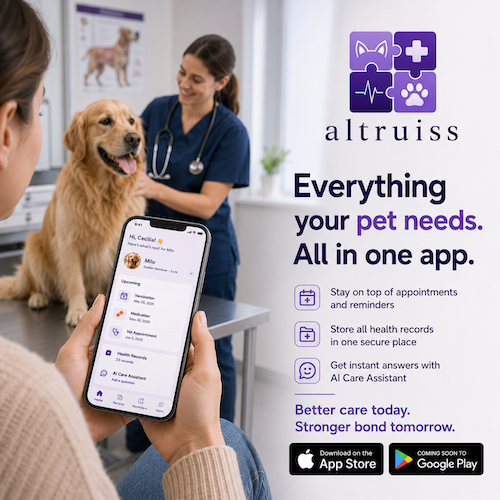
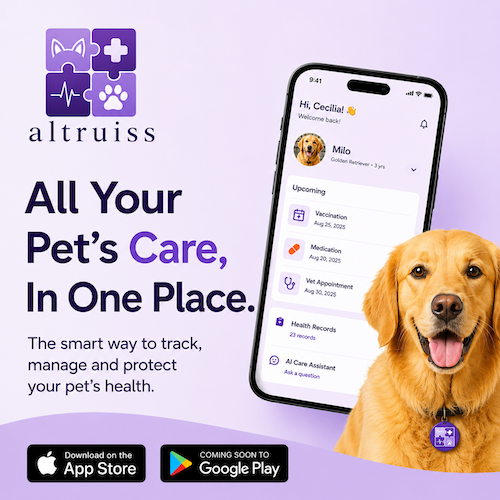
Plus, apps like Altruiss often come with extra perks — reminders for vaccinations and medications, easy sharing options, and sometimes even integration with vet clinics.
It's like having a personal assistant for your pet's health.
Switching to digital isn't about tech for tech's sake.
It's about making your life easier and your pet's care smoother.
No more "I think I have the paperwork somewhere" moments.
Instead, you get peace of mind, better communication with your vet, and more time to enjoy those adorable snuggles instead of digging through drawers.
So, if you haven't already, it's time to consider making the leap.
Your pet's health records (and your sanity) will thank you.
What Should You Track in Your Dog's Health History?
A useful health history should give you a clear picture of your dog's care over time.
Consider tracking:
- Vaccinations and vaccination dates
- Vaccination due dates and boosters
- Medications and treatment schedules
- Previous illnesses and diagnoses
- Allergies and adverse reactions
- Vet consultations
- Blood tests and laboratory results
- X-rays and other diagnostic imaging
- Surgeries and procedures
- Changes in weight
- Recurring symptoms
- Preventive treatments
- Specialist or referral records
- Relevant notes about changes in behaviour, appetite, or energy
You don't necessarily need to record every tiny detail of your dog's day. The goal is to create a useful timeline that can help you understand their health and provide relevant information to your veterinarian.
How to Track Dog Vaccination Due Dates
Vaccinations are an important part of preventive veterinary care, but remembering every vaccination date can become difficult, particularly if you have multiple pets.
To track pet vaccination due dates, keep a record of:
- The vaccine given
- The date it was administered
- The next recommended dose or booster date
- Your veterinarian's notes or recommendations
- Any relevant reactions or observations
A reminder system can make this easier by giving you a prompt when a vaccination or other preventive-care task is approaching.
Keep in mind that vaccination schedules can vary depending on your pet's age, health, lifestyle, location, vaccine type, and veterinarian's recommendations. Your veterinarian should determine the appropriate vaccination schedule for your dog.
How to Manage Your Dog's Medication Schedule
Medication is another area where organisation matters.
If your dog takes medication regularly, it can be useful to record:
- Medication name
- Dosage
- Frequency
- Start and end dates
- Instructions from your veterinarian
- Any relevant observations or reactions
A dog medication schedule app can help you keep these details together and create reminders for doses or treatment dates.
This can be particularly useful in households where more than one person helps care for the dog.
However, an app should support the medication plan provided by your veterinarian, not replace it. Never change a medication, dose, or treatment schedule without veterinary guidance.
How to Monitor Pet Health Symptoms
Not every symptom requires you to create a detailed health journal, but recurring or noticeable changes can be worth recording.
If you're wondering how to monitor pet health symptoms, consider recording:
- What the symptom was
- When you first noticed it
- How frequently it happened
- How long it lasted
- Whether it appeared to be getting better or worse
- Any relevant changes in food, medication, activity, or routine
- Photos or videos when appropriate
For example, if your dog develops recurring ear irritation, recording when it happens and what treatments were previously used can give your veterinarian additional context.
Your notes are not a substitute for professional diagnosis. If your pet is seriously unwell or you are concerned about a symptom, contact your veterinarian rather than relying on tracking alone.
Building a Pet Preventive Care Schedule
Preventive care isn't only about vaccinations.
Depending on your pet's needs and your veterinarian's recommendations, a pet preventive care schedule may include:
- Routine veterinary examinations
- Vaccinations
- Parasite prevention
- Dental care
- Weight monitoring
- Medication reviews
- Screening or diagnostic tests
- Other age- or condition-specific care
Keeping these items together can make it easier to see what has been completed and what is coming up next.
A digital tracker can be particularly helpful if your household has multiple pets or multiple people responsible for their care.
Benefits of Using a Pet Health App
Using a pet health app can help you:
- Keep pet medical records in one organised place
- Track vaccinations and preventive care
- Keep medication information accessible
- Set reminders for medications and check-ups
- Record symptoms and health observations
- Review your pet's medical history over time
- Share records with your veterinarian
- Share relevant care information with family members or pet sitters
- Access your pet's health information from your phone
The biggest benefit is consistency. Instead of trying to reconstruct your pet's history when something goes wrong, you can build that history gradually throughout their life.
How to Keep Track of Your Pet's Medical Records: Practical Tips With Altruiss
Keeping your pet's health records organized can feel like juggling ten tennis balls while riding a unicycle — tricky, a bit stressful, and not something you signed up for.
That's where Altruiss steps in to make your life a whole lot easier.
Here's how to get the most out of Altruiss to keep your pet's medical records neat, updated, and ready whenever you need them.
1. Set Up Your Pet's Profile Early
From the moment you bring your pet home (or adopt a new furry friend), create their profile on Altruiss.
Enter their basic details — name, breed, age — and start uploading any existing medical records you have, like vaccination certificates or recent vet visit summaries.
Even if you're switching vets or getting a new pet, having everything centralized in one place means you're starting with a clean, organized slate.
2. Upload and Sync Your Vet Documents
Altruiss lets you snap photos or upload PDFs of vet paperwork — think vaccination records, lab results, prescriptions, or treatment plans.
No more scrambling to find that crumpled paper in the glove box or under the couch.
Plus, Altruiss can sync directly with your vet's clinic (if they're connected), so records update automatically.
That means less data entry for you and up-to-date info for your vet without the back-and-forth.
3. Use Reminders for Vaccinations, Medications, and Preventive Care
Vaccinations, flea treatments, medications, check-ups — keeping track of due dates can feel like a second full-time job.
Altruiss's reminder system takes that load off your shoulders by alerting you when something's coming up.
You can set custom alerts for each pet, so you never miss a booster shot or monthly pill again.
It's like having a gentle nudge from your very organized (and slightly obsessive) vet nurse friend.
4. Share Pet Care Routines With Pet Sitters and Family
Going away for a weekend? Switching clinics? With Altruiss, you control who can see your pet's medical info.
You can securely share their full history or just select documents with your vet, pet sitter, or family members — no printing, scanning, or stressing. That way, everyone involved in your pet's care stays on the same page, which means better decisions and less chance of errors or missed treatments.
If you're looking for an app to share pet care routines with pet sitters, keeping relevant information digitally accessible can make handovers much simpler. Depending on your pet's needs, this may include medication instructions, feeding routines, vaccination information, emergency contacts, and other important care details.
5. Keep Notes and Track Symptoms Between Vet Visits
Not every detail makes it onto a vet's chart, but some things matter — like when your cat suddenly stopped eating or your dog's weird new cough.
Altruiss lets you add your own notes and health observations right alongside official records.
Having those details logged can help your vet spot patterns or changes early, so you're always one step ahead.
Bottom line: Altruiss isn't just another app — it's your pet health HQ, built to make tracking medical records simple, stress-free, and even a little satisfying.
Because when you have all the info at your fingertips, your pet's care becomes smoother, smarter, and more connected.
Tracking Your Pet's Medical History Over Time
Your pet's health history isn't a snapshot. It's a timeline.
A vaccination from puppyhood, a previous medication, a recurring skin problem, a change in weight, or an old diagnostic result can all become part of the bigger picture of your pet's health.
That's why tracking pet medical history over time is so useful.
Instead of asking, "When did this happen?" every time a new concern appears, you can look back at your records and identify relevant events.
Over time, your records can help you and your veterinarian understand:
- What health issues have occurred before
- Which treatments have been tried
- When vaccinations were administered
- Which medications your pet has taken
- Whether certain symptoms recur
- How your pet's health has changed with age
- What preventive care has already been completed
The goal isn't to diagnose your pet yourself. It's to make sure important information doesn't disappear between appointments.
Wrapping Up: Keep Calm and Organise On
Pet ownership is 10% joy, 10% panic, and 80% wondering why your dog chose 11:57pm to suddenly limp.
Record-keeping isn't glamorous, but it's a quiet superhero in the background of every good pet story.
Start small, stay consistent, and consider going digital — because when the chaos hits, having your pet's history at your fingertips is priceless.
If you've been wondering how to track dog health history, you don't need a complicated system. Start by bringing your dog's medical records together, keeping vaccinations and medications up to date, recording meaningful health changes, and making the information accessible to the people responsible for their care.
A digital pet health tracker can make that process easier by bringing those pieces together in one place.
Frequently Asked Questions About Tracking Dog Health History
How do I track my dog's health history?
To track your dog's health history, keep their medical records, vaccinations, medications, vet visits, test results, previous diagnoses, procedures, and relevant health observations organised in one place. A digital pet health tracker can make it easier to update and access this information over time.
What is a digital pet health tracker?
A digital pet health tracker is an app or digital system used to organise and monitor information about a pet's health and care. Depending on the platform, it may include medical records, vaccinations, medications, reminders, symptoms, vet visits, and care routines.
How do I track pet vaccination due dates?
Keep a record of each vaccination, the date it was given, and the next recommended vaccination or booster date. A pet health app with reminders can help you track pet vaccination due dates and upcoming preventive-care tasks.
Is there a dog medication schedule app?
A dog medication schedule app can help pet owners organise medication names, dosages, treatment dates, and reminders. Always follow the medication instructions provided by your veterinarian and consult them before changing a treatment plan.
How can I monitor my pet's health symptoms?
Record noticeable symptoms, when they started, how frequently they occur, how long they last, and any relevant changes in your pet's routine, food, medication, or activity. Sharing these observations with your veterinarian can provide useful context during an appointment.
How can I track pet health between vet visits?
Track meaningful changes in your pet's symptoms, behaviour, appetite, energy, weight, medications, and other relevant health observations between appointments. Keeping these notes digitally can make them easier to review and share with your veterinarian.
What should be included in a pet preventive care schedule?
A pet preventive care schedule may include routine veterinary visits, vaccinations, parasite prevention, dental care, weight monitoring, medication reviews, and other care recommended by your veterinarian based on your pet's age, lifestyle, and health needs.
Is there an app to share pet care routines with pet sitters?
Yes. A pet health and care app can make it easier to share relevant information with a pet sitter, such as medication instructions, feeding routines, important medical information, and emergency contacts. Only share the information the pet sitter needs to provide safe and appropriate care.
Why should I track my pet's medical history over time?
Tracking your pet's medical history over time creates a clearer timeline of their health. It can help you remember previous diagnoses, medications, vaccinations, treatments, and recurring symptoms and provide your veterinarian with useful background information.
Can a pet health tracker replace veterinary care?
No. A pet health tracker is an organisational tool. It can help you record information and communicate with your veterinary team, but it does not replace professional examination, diagnosis, treatment, or veterinary advice.