
Wondering what records to bring to the vet? Knowing which pet health records, documents, and information to have with you can make a veterinary appointment much easier—for you, your pet, and your veterinarian.
A trip to the vet can feel straightforward until your veterinarian asks, “Do you have their previous records?” Suddenly, you’re searching through your phone, digging through emails, or trying to remember when your pet last had a vaccination or what medication they were given.
I know this feeling well. When I adopted my rescue dog, Gigi, getting a clear picture of her medical history wasn’t always easy. Her records came from different places, some information was missing, and every new appointment came with the challenge of figuring out what I knew, what I could find, and what I simply couldn’t remember.
My experience with Monty was very different. After years of travelling with my dog, Monty, and visiting different veterinarians, I learned how much easier veterinary care can be when you have your pet’s information organized and accessible.
So, what should you actually bring to a veterinary appointment? And which records and information can make the biggest difference to your vet? This guide covers the essential things to prepare before your next visit, so you can arrive feeling organized and ready to focus on your pet.

Key Takeaways
- Bringing complete medical records helps your veterinarian provide better care. Accurate information reduces guesswork and helps prevent duplicate testing or unnecessary treatments.
- Always bring vaccination records, medication lists, previous diagnoses, and laboratory results. These documents provide valuable context for your veterinarian.
- Keep a record of recent symptoms and behavioral changes. Small observations at home often help veterinarians diagnose health issues more accurately.
- Digital pet health records make every veterinary visit easier. Having instant access to your pet's history saves time and reduces stress during routine appointments and emergencies.
- Maintaining lifelong veterinary records improves continuity of care, especially if you change clinics, travel with your pet, or see a specialist.
Why Your Veterinarian Needs Complete Medical Records
Every veterinary appointment builds upon your pet's previous healthcare history. Complete records help veterinarians make more accurate diagnoses, identify long-term health trends, avoid avoidable repeat tests, and monitor chronic disease progression. Now here are some medical records you should bring to the vet.
- Vaccination Records - Bring vaccine names, dates administered, due boosters, and completion status for puppy or kitten series.
- Current Medications and Supplements- Include prescriptions, preventatives, supplements, and prescription diets.
- Previous Medical History - Bring details on previous illnesses, surgeries, hospitalisations, chronic conditions, injuries, and specialist reports.
- Laboratory Results - Historical blood, urine, faecal, and related reports provide trend visibility for chronic conditions.
- Imaging Records - Bring copies of X-rays, ultrasound reports, CT, and MRI where available.
- Allergy and Medication Reaction History - Document food, medication, and environmental allergies, including prior adverse reactions.
- Notes About Recent Symptoms - Track appetite changes, thirst, vomiting, diarrhoea, limping, behaviour shifts, and energy changes.
- Photos and Videos - Record intermittent issues such as seizures, breathing changes, limping, or skin flare-ups.
- Questions to Ask - Prepare your concerns in advance so you leave appointments with clear next steps.
Why Digital Records Make Visits Easier
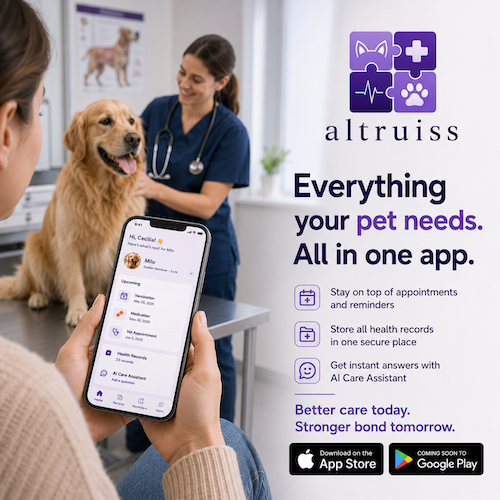
Keeping your pet’s health records digitally means you don’t have to rely on paper files, memory, or trying to track down your pet's health information from previous veterinary clinics. With your pet’s medical history in one accessible place, you can quickly find the information your veterinarian needs during routine appointments, when seeing a new vet, or in an emergency.
Digital records are particularly helpful when you move, change veterinary practices, travel with your pet, or need to see a specialist. Instead of starting from scratch, you can have your pet’s relevant health information ready to share when it matters most.
Common Mistakes Pet Owners Make With Veterinary Records
Even when pet owners understand the importance of keeping medical records, it’s easy for important information to get overlooked. Some of the most common mistakes include:
- Assuming every veterinary clinic already has your pet’s complete records - Records may not automatically transfer when you change clinics or see a new veterinarian.
- Forgetting to update medication information - Make sure your veterinarian knows about new medications, supplements, preventatives, or recent changes.
- Leaving historical test results behind - Previous blood tests, imaging, and other results can provide useful context and help your vet identify changes over time.
- Relying on memory - It can be difficult to remember exact dates, diagnoses, medications, or previous treatments, especially when you’re stressed.
- Waiting until an emergency to organize your pet’s records - Emergencies aren’t the time to start searching for vaccination certificates or previous medical history.
Final Thoughts
Knowing what to bring to the vet is about more than remembering your pet’s vaccination card. Having a complete and accessible health history gives your veterinarian valuable context and helps you stay prepared throughout your pet’s life.
Whether you’re visiting your regular vet, seeing a new veterinarian, travelling with your pet, or facing an unexpected pet emergency, keeping your pet’s records organized means the information you need is there when you need it.
Keep your pet’s health history close, organized, and accessible, because their next vet visit shouldn’t depend on what you can remember.