
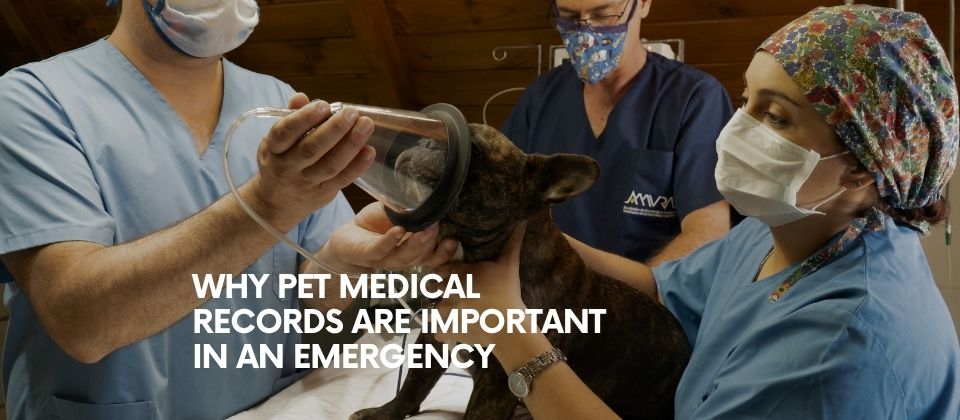
When a pet needs emergency veterinary care, having access to their medical history can give the veterinary team important information about previous illnesses, medications, allergies, surgeries, vaccinations, diagnostic tests, and treatments.
Pet medical records are important in an emergency because they can help an emergency vet understand your pet’s health history while assessing and treating their current condition. When records are missing or difficult to access, the veterinary team may have less information to work with and may need to rely on an owner's recollection, contact another clinic, or repeat diagnostic testing.
For pet owners, this is one reason keeping your pet health records organised and accessible before an emergency happens can be so valuable.
“The ability to review your pet’s medical history before the first appointment will allow your new veterinarian to provide exceptional care that is tailored and timely.” — Krista Williams, BSc, DVM, CCRP, VCA Animal Hospitals.

Key takeaways:
- Pet medical records can provide valuable context during emergencies. Previous illnesses, medications, allergies, surgeries, vaccinations, and test results can help the veterinary team understand a pet’s health history while assessing their current condition.
- Missing records can make emergency care more challenging. When information is unavailable, vets may need to rely on an owner’s recollection, contact another clinic, or consider additional diagnostic testing. Repeated tests are not always unnecessary, but accessible records can help.
- Previous results give veterinarians more information to consider and may help reduce avoidable delays, stress, and costs when appropriate. Keeping your pet’s health history organised and accessible is an important part of emergency preparation. Useful information includes current medications, vaccinations, diagnoses, allergies, surgical history, recent test results, and veterinary contact details.
- Digital records can help connect the pieces of a pet’s health journey. By keeping information organised in one place, tools like Altruiss are designed to make relevant health information easier for owners and veterinary teams to access when needed.
Why Pet Medical Records Are Important in an Emergency
There’s a moment in every emergency vet shift that stays with you, when an owner walks through the door, eyes wide with fear and desperation, clutching their trembling pet. The seconds feel stretched, the air thick with urgency and hope.
In emergency veterinary care, the team often has to assess and stabilise a patient while making decisions with limited time. Knowing what has happened previously can provide valuable context.
Previous illnesses, medications, allergies, vaccinations, diagnostic results, surgeries and other treatments can all form part of a pet’s medical history. Having this information available can help another veterinarian understand the patient and maintain continuity of care.
The American Animal Hospital Association recommends that veterinary medical records be maintained so another veterinarian can continue the patient’s care and treatment. AAHA Position Statements — Medical Records and Continuity of Care
In an emergency, that continuity can become especially important.
What Happens When an Emergency Vet Doesn't Have Your Pet's Medical History?
In those moments, the weight of responsibility presses down hard. Lives hang in the balance, and every decision matters. But what makes that moment even more agonising is when you realise you have no roadmap. No history. No clue what your patient has been through, what treatments they’ve had, or what might be lurking beneath the surface. It’s like being handed a fragile, priceless puzzle, but half the pieces are missing. And you have to fix the picture before it’s too late.
That was the reality I faced day after day in emergency centres across Australia and London. The frustration and helplessness of trying to save a life without the full story are hard to put into words. It’s not just about medical procedures or diagnostics; it’s about the trust placed in us by worried owners and the unconditional love they have for their pets.
I’ve held hands, wiped tears, and felt the sting of watching families walk out with more questions than answers, all because vital pieces of a pet’s history were missing when they needed them most. That experience shaped everything I believe about veterinary care and why I’m so passionate about changing the way we manage pet health records.
The Puzzle With Missing Pieces
In emergency care, every detail counts. But what happens when you’re faced with a critically ill pet and you don’t know their medical history? It’s like stepping into a fog.
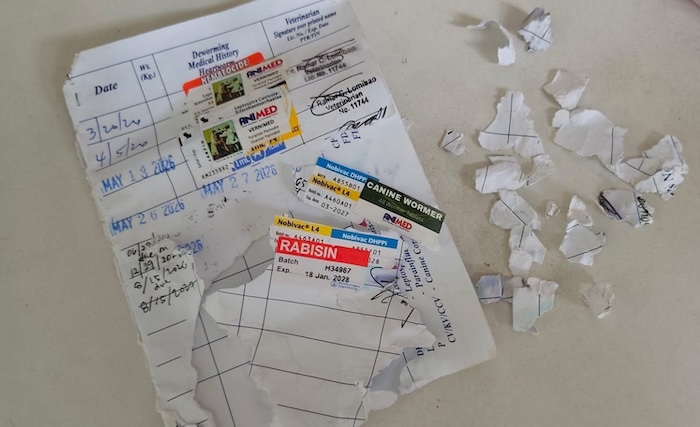
I remember one particularly tough case: a middle-aged golden retriever named Charlie who was rushed in with severe respiratory distress. The owner was frantic but had no records to show us. No vaccine history, no previous illnesses, nothing to indicate what might be triggering this sudden crisis.
Without prior X-rays or blood tests, we were forced to start every diagnostic from scratch. Watching Chaluli struggle was heartbreaking. Every test we ran felt like a shot in the dark, but without answers, we couldn’t proceed with confidence. For hours, we worked against the clock, piecing together clues with limited information.
It was an uphill battle one that could have been smoother if we’d had access to his health records from previous clinics. These missing pieces didn’t just make our job harder. They put Charlie’s life at greater risk.
This experience illustrates why having accessible pet health records can matter when a pet is transferred between veterinary practices or arrives at an unfamiliar emergency hospital.
Can Missing Pet Medical Records Lead to Repeated Tests?
When tests have to be repeated, it’s more than just inconvenient. It’s stressful for the animal and emotionally exhausting for the owner. I’ve seen owners sit in waiting rooms, holding their pets close, worrying about the mounting bills for blood work, ultrasounds, and X-rays that in many cases had been done before.
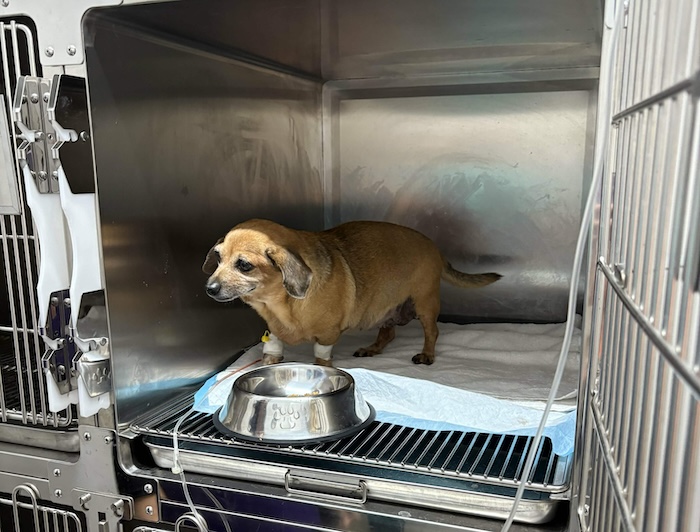
One owner, a single mom with two kids, broke down in tears because she couldn’t afford to pay for tests her cat had already undergone a few weeks prior at another clinic. She wasn’t complaining; she was scared and overwhelmed.
As a vet nurse, it tore me apart. I didn’t want to charge her again. I wanted to say, “I’m so sorry, we just need to make sure we’re giving your cat the safest care possible.”
But the truth was, without access to those previous results, we had no choice but to start from scratch. I’ve held the hands of countless owners who felt helpless and frustrated, not because they didn’t love their pets enough, but because the system made it harder to provide timely, affordable care.
Repeated testing is not automatically unnecessary. An emergency vet may need to repeat a test when results are unavailable, outdated, unclear, or when the pet’s condition has changed. The important point is that having previous records available gives the veterinary team more information to consider.
Why Your Pet's Medical History Matters During Emergency Veterinary Care
The reality is, missing pet medical histories aren’t just an inconvenience. They’re a serious barrier to providing the care our pets desperately need, especially in emergencies. This problem touches every corner of veterinary medicine and weighs heavily on the hearts of pet owners and vets alike.
When a pet arrives in crisis, every second counts. We need to know what we’re dealing with: what illnesses or injuries the animal has faced before, what medications they’ve taken, what allergies or reactions to watch for.
Without this information, we’re forced to guess or start testing all over again. And guesswork is risky. I’ve seen the difference it makes when that history is available: vets can make faster, smarter decisions, often avoiding invasive or expensive procedures that might not be necessary. But when history is missing, delays happen. Treatments take longer to get right.
Animals suffer more than they need to. And owners bear the emotional and financial burden of uncertainty and repeated tests. Beyond the practical impact, there’s a deep emotional toll. Imagine being an owner, terrified for your pet’s life, only to find out the vet has to repeat tests you thought were done already. Tests that cause stress and discomfort for your beloved companion, and come with bills you may not be prepared for. It’s heartbreaking.
For veterinary professionals like me, it’s equally gut-wrenching. We go into this profession because we want to help, to heal, and to ease suffering. Not having the tools to do that efficiently and not having access to a pet’s full medical story is frustrating and sometimes devastating.
This problem isn’t just a technical hiccup. It’s a systemic failure that costs time, money, and most importantly, it costs pets’ well-being. It’s a gap in care that we can no longer accept as “just how things are.”
Fixing this isn’t about technology alone. It’s about compassion, responsibility, and respect for the bond between pets and their people. It’s about giving every animal the best possible chance — especially when they’re at their most vulnerable.
What Information Should Be in Your Pet Medical Records?
Your pet's medical history can contain information that may help a veterinary team understand their current situation.
Depending on your pet, useful pet health records may include:
- Previous illnesses and diagnoses
- Current and previous medications
- Known allergies or adverse reactions
- Previous surgeries and procedures
- Blood test results
- X-rays and other diagnostic imaging
- Vaccination history
- Previous treatment history
- Chronic health conditions
- Recent veterinary consultations
- Specialist or referral records
- Current weight
- Relevant medication dosages and treatment schedules
You may not need every piece of information at every emergency visit. However, having your pet's complete health history accessible means you are better prepared to provide information when a veterinary team needs it.
Why Digital Pet Medical Records Can Be Useful
Pet records can become scattered across paper documents, emails, photographs, different veterinary clinics and files on different devices.
A digital record can provide another way to keep important information organised and accessible.
AAHA guidance notes that searchable medical records can make it easier to document and communicate important patient information over the course of an animal's life.
The goal isn't to replace veterinary care. It is to make the information surrounding that care easier for pet owners and veterinary teams to access when it is needed.
How Can Pet Owners Prepare for a Veterinary Emergency?
You can't always prevent an emergency, but you can prepare for one.
One of the simplest steps is to make sure your pet's medical history is organised and accessible before you need it.
Consider keeping the following information together:
- Your pet's current medications
- Vaccination records
- Previous diagnoses
- Recent test results
- Surgical history
- Known allergies or reactions
- Your regular veterinarian's contact details
- Specialist or referral information
- Your pet's current weight
- Relevant treatment history
It's also worth knowing where your nearest emergency veterinary hospital is and saving its contact details in your phone.
If your pet develops signs of a possible emergency, seek veterinary advice promptly rather than waiting to see whether the condition improves. AAHA identifies signs such as difficulty breathing, unresponsiveness, seizures, significant bleeding or injury, and extreme weakness as reasons to seek urgent veterinary attention.
In an emergency, preparation can make one stressful situation a little easier to manage.
RELATED: How to Keep Your Pet's Medical Records Organised
How Altruiss Helps Keep Your Pet's Medical History Accessible
Your pet's health history shouldn't be scattered across paper records, emails, photographs, different veterinary clinics and forgotten files.
Altruiss is designed to help pet owners keep their pet's health and treatment history organised in one place.
From vaccinations and medications to diagnoses, procedures and test results, having your pet's information organised can make it easier to understand their health journey and share relevant information when it matters.
The goal is simple: help pet owners keep important information accessible before they need it.
RELATED: How to Keep Track of Pet Health Records → [insert Altruiss internal link]
More Than Just Records: It's About Compassion and Trust
At first glance, keeping track of pet medical records might seem like a purely logistical or technical issue. But in reality, it’s so much more. It’s about compassion, the kind of compassion that drives vets and pet owners alike to do everything in their power to protect and nurture those who cannot speak for themselves.
In the emergency room, I’ve seen how trust forms between a vet and an owner in seconds, a fragile but powerful connection built on the hope that we’ll do the right thing. When you have the full story, that trust deepens because decisions are informed and transparent. But when records are missing, that trust can be strained.
Owners feel uncertain, vets feel frustrated, and pets may endure more tests and treatments than necessary. Compassion means recognising the emotional toll on owners who are scared and overwhelmed, often during some of the worst moments of their lives. It means recognising that a record isn’t just a piece of paper or data . It’s a history of love, care, and sometimes heartache.
Every vaccine, every medication, every test result is a chapter in that story. Trust is the foundation of effective care. It’s the understanding that owners entrust us with their pets’ lives, and we owe it to them to be prepared, informed, and connected.
Digital records are a vital tool for building that trust. They allow vets to provide care that’s not just reactive but proactive, tailored to each pet’s unique health journey. Altruiss is designed with this in mind — to be more than a digital filing system, but a bridge of empathy and connection between pet, owner, and vet. Because in the end, care isn’t just about medicine. It’s about people and the bonds they share with their animals.
The Drive Behind Altruiss Pet Health App: A Personal Mission
After years spent working in emergency veterinary centres across two continents, I carried with me more than just medical knowledge. I carried a profound understanding of how critical and fragile pet care truly is. But alongside that understanding was a growing frustration, a constant ache in my heart about the barriers that stood between pets and the best care possible.
Time and again, I watched pets suffer longer than they needed to, simply because their medical histories were scattered, incomplete, or inaccessible. I witnessed owners grappling with unexpected bills for repeated tests, feeling helpless and overwhelmed, and I knew there had to be a better way. I’m not driven by profit or convenience.
My motivation has always been altruism a deep desire to make a real difference for animals and the humans who love them. Every pet deserves care that is timely, informed, and compassionate.
Every owner deserves to feel supported, not burdened. That’s what sparked the creation of Altruiss is more than a pet health app or a digital record system. It’s a promise. A promise to bridge the gap between pet owners and vets, to break down the walls of fragmented information, and to create a seamless flow of knowledge that empowers better decisions.
It’s about turning frustration into hope. About giving owners control and peace of mind, and vets the tools they need to provide faster, safer, more precise care. The idea for Altruiss came from real experiences, real stories, the sleepless nights in emergency rooms, the tearful conversations with owners, the moments when I wished for just one more tool to help a suffering animal.
Every feature in Altruiss is designed with that mission at its core: to honour the trust that owners place in us, to reduce unnecessary suffering, and to ensure that no pet’s health journey is lost in paperwork or tech gaps. For me, Altruiss isn’t just a product. It’s a personal mission born from years of firsthand experience, passion, and an unwavering commitment to doing better.
Frequently Asked Questions About Pet Medical Records and Emergency Care
Why are pet medical records important in an emergency?
Pet medical records can give an emergency vet important information about an animal's previous illnesses, medications, allergies, procedures, vaccinations and diagnostic history. Having this information accessible can provide useful context when a pet needs urgent or emergency veterinary care.
What medical records should I keep for my pet?
Consider keeping vaccination records, medication information, previous diagnoses, surgical history, allergies, blood test results, diagnostic imaging, treatment history and relevant veterinary or specialist records.
What happens if an emergency vet doesn't have my pet's medical history?
If previous medical information isn't available, the veterinary team may need to rely on the owner's recollection, contact previous clinics where possible, or perform additional diagnostic tests to understand the pet's condition. The exact approach depends on the emergency and the veterinarian's clinical assessment.
Should I keep a digital copy of my pet's medical records?
Keeping a digital copy can make your pet's health information easier to access and organise. It can also be useful when travelling, changing veterinary clinics or visiting an emergency hospital.
How can I prepare my pet's medical history for an emergency?
Start by gathering your pet's important medical information, including medications, vaccinations, diagnoses, previous procedures, allergies and test results. Keep the information organised and accessible, and update it whenever your pet receives new treatment.
Can I access my pet's records from different veterinary clinics?
Access to records can depend on the veterinary clinic and how records are stored and shared. Keeping your own organised copy of your pet's health information can help ensure you have important details available when you need them.
What should I bring to an emergency vet?
If you can do so safely, bring your pet's relevant medical information, current medications, recent test results and details of any known allergies or previous conditions. If your pet has ingested a substance, take the packaging or product information with you where possible.
Final Thoughts: Don't Wait Until an Emergency to Find Your Pet's Records
Looking back on my years working in emergency centres across Australia and London, the one lesson that stands out is this: every pet deserves the best care possible, especially when they are most vulnerable. Missing medical histories shouldn’t stand in the way of that care.
They shouldn’t cause delays, added stress, or unnecessary suffering. They shouldn’t force worried owners to repeat costly, stressful tests simply because the pieces of their pet’s health puzzle are scattered or lost. Altruiss was born from this reality, from the heartbreak, the frustration, and the unwavering hope to make a difference.
It’s a mission to empower pet owners, support vets, and ultimately improve the lives of animals. If you’re a pet owner reading this, I urge you to take control of your pet’s health history. It’s a simple but powerful step that can make a world of difference when the unexpected happens.
If you’re a vet or animal lover, join us in championing connected, compassionate care. Because when every second counts, having the full picture isn’t just helpful. It’s lifesaving.
A Pet Emergency Is the Worst Time to Discover You're Missing Their Records
Your pet's medical history is more than a collection of documents. It's the story of their health — every diagnosis, medication, vaccination, test and treatment.
And when an emergency happens, having that story available can help the veterinary team understand the bigger picture.
Don't wait for an emergency to start looking for your pet's records.